Hair Conditions & Disorders
Understanding Hair Loss and Scalp Health
Hair loss and scalp disorders affect millions of men and women at every stage of life. Whether you’re noticing thinning hair, sudden shedding, or patchy hair loss, understanding the underlying condition is the first step toward effective treatment.
At Bopp Dermatology & Facial Plastic Surgery, we specialize in diagnosing and treating a wide range of hair conditions using advanced medical expertise and personalized care. Below, we break down the most common hair loss conditions and disorders, their causes, and when to seek professional evaluation.
Medical Approach to Non-Surgical Hair Restoration
- Slowing or stopping hair loss progression
- Supporting follicle health
- Extending the anagen (growth) phase
- Improving scalp circulation and function
TYPES OF CONDITIONS & DISORDERS
Male Pattern Baldness (Androgenetic Alopecia)
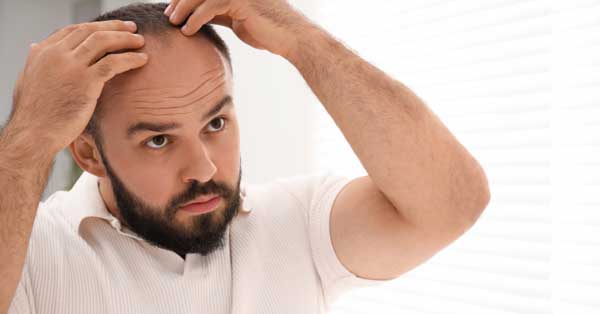
Male pattern baldness is the most common cause of hair loss in men and is primarily genetic. It typically begins with a receding hairline or thinning at the crown and progresses gradually over time.
Common causes include:
- Genetic sensitivity to DHT (dihydrotestosterone)
- Hormonal changes
- Age-related follicle shrinkage
Signs of male pattern baldness:
- Receding temples
- Thinning at the crown
- Overall decrease in hair density
Early intervention can slow progression and help preserve existing hair. A professional evaluation at Bopp Dermatology & Facial Plastic Surgery can determine the most effective treatment options.
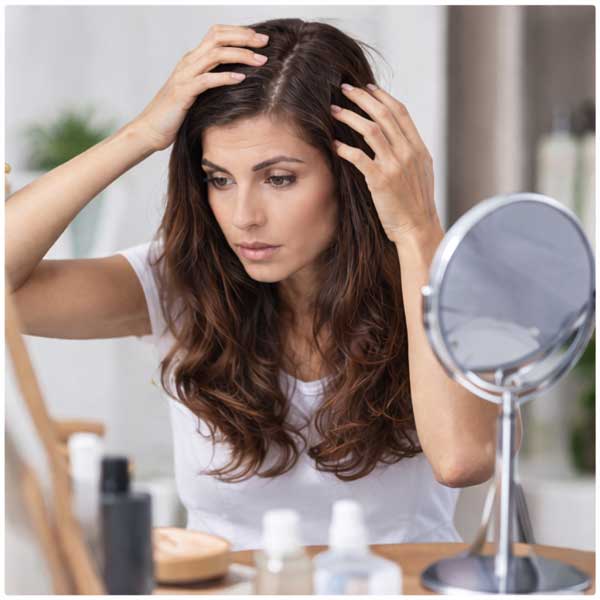
Female pattern baldness affects women differently than men. Instead of a receding hairline, women often experience diffuse thinning across the scalp, especially along the part line.
Common causes include:
- Genetics
- Hormonal fluctuations (pregnancy, menopause, thyroid disorders)
- Aging
Symptoms may include:
- Widening part
- Decreased volume
- Thinning at the crown while maintaining the frontal hairline
Female hair loss is often emotionally distressing, but modern medical and aesthetic treatments can help improve hair density and scalp health when addressed early.
Telogen effluvium is a temporary hair shedding condition triggered by physical or emotional stress that disrupts the hair growth cycle.
Common triggers include:
- Illness or surgery
- Significant stress
- Rapid weight loss
- Hormonal changes
- Postpartum hair loss
Hair shedding usually occurs 2–3 months after the triggering event and can result in noticeable thinning. The good news is that telogen effluvium is often reversible once the underlying cause is addressed.
Traction alopecia is hair loss caused by repeated tension on the hair follicles. It is commonly associated with certain hairstyles and grooming practices.
Common causes:
- Tight braids, ponytails, or buns
- Extensions or weaves
- Frequent use of tight headwear
Signs include:
- Thinning along the hairline
- Hair breakage
- Scalp tenderness or irritation
If caught early, traction alopecia can be reversed. Prolonged tension may lead to permanent follicle damage, making early diagnosis essential.
Alopecia Areata
Alopecia areata is an autoimmune condition where the body’s immune system attacks hair follicles, leading to sudden hair loss.
Characteristics:
- Round or oval bald patches
- Sudden onset
- May affect the scalp, eyebrows, eyelashes, or body hair
This condition can be unpredictable, with periods of hair regrowth and recurrence. Medical evaluation is important to confirm diagnosis and explore treatment options that may encourage regrowth.
Scarring alopecia is a group of rare but serious hair loss disorders that permanently destroy hair follicles and replace them with scar tissue.
Symptoms may include:
- Redness, scaling, or inflammation of the scalp
- Burning, itching, or tenderness
- Permanent hair loss in affected areas
Early diagnosis is critical, as prompt treatment may help prevent further follicle damage and preserve remaining hair.
When to See a Hair Loss Specialist
You should seek professional care if you experience:
- Sudden or excessive hair shedding
- Patchy or uneven hair loss
- Scalp pain, itching, or inflammation
- Progressive thinning or receding hairlines
Before your Dermal Infusion treatment, your provider at Bopp Dermatology & Facial Plastic Surgery discusses your skin problems or concerns with you and then chooses the perfect blend of serums for your needs.
Advanced Hair & Scalp Care
At Bopp Dermatology & Facial Plastic Surgery, we take a comprehensive and medical approach to hair loss and scalp disorders. Our team focuses on accurate diagnosis, customized treatment plans, and long-term scalp health.
Whether your hair loss is genetic, hormonal, stress-related, or autoimmune, we’re here to help you understand your condition and confidently explore your options.
Schedule a consultation with Bopp Dermatology & Facial Plastic Surgery today and take the first step toward healthier hair and scalp wellness.